Environmental Due Diligence in New Jersey: What Property Buyers Need to Know
Environmental due diligence is one of the most critical steps in any NJ commercial real estate transaction, whether you’re buying, selling, redeveloping, or financing a property. New Jersey’s strict environmental regulations—combined with its long industrial history—mean that contamination risk is significantly higher than in many other states. Failing to conduct proper due diligence can expose buyers to massive cleanup liabilities, costly delays, legal consequences, and unexpected contamination discovered after closing.
For New Jersey property owners, investors, brokers, attorneys, and developers, working with a trusted environmental firm like All American Environmental helps ensure regulatory compliance, reduce liability, and protect your investment.
Why Environmental Due Diligence Matters in New Jersey
New Jersey has a unique environmental landscape. Decades of manufacturing, industrial operations, gas stations, dry cleaners, heavy metals, and petroleum use have left behind thousands of properties with potential contamination. In addition, New Jersey’s Site Remediation Reform Act (SRRA) and LSRP (Licensed Site Remediation Professional) program require strict standards for environmental cleanup and reporting.
Proper due diligence:
- Identifies environmental risks before purchase
- Protects buyers from inheriting contamination liabilities
- Ensures lenders are confident in the property
- Helps sellers demonstrate transparency
- Supports safe redevelopment and land use planning
- Ensures compliance with NJDEP regulations
In NJ, it’s not just best practice—it’s essential.
What Environmental Due Diligence Includes
Environmental due diligence in NJ typically includes several key components, each designed to uncover contamination risks and evaluate the environmental condition of the property.
Phase I Environmental Site Assessment (Phase I ESA)
The Phase I ESA is the first and most critical step in environmental due diligence. It follows ASTM E1527-21 standards and is required by most lenders, investors, and commercial brokers.
A Phase I ESA includes:
- Historical research (aerial maps, Sanborn maps, directories)
- Regulatory record reviews
- Interviews with owners, tenants, and local officials
- A full site inspection of the property and surrounding parcels
- Evaluation of past and present land use
- Identification of Recognized Environmental Conditions (RECs)
If no RECs are found, the buyer typically proceeds confidently toward closing. If RECs exist, the next step is the Phase II ESA.
A Phase I ESA also helps establish CERCLA Innocent Landowner Defense, protecting buyers from liability if contamination is later discovered.
Phase II Environmental Site Assessment (Phase II ESA)
When contamination is suspected, a Phase II ESA provides scientific confirmation.
A Phase II may include:
- Soil sampling
- Groundwater sampling
- Soil vapor testing
- Laboratory analysis of contaminants
- Evaluation of petroleum hydrocarbons
- Testing for heavy metals, solvents, PCBs, and more
Phase II results determine whether remediation or further investigation is needed. In New Jersey, if contamination exceeds allowable limits, involvement from an LSRP becomes necessary.
Site Investigation & Remediation Requirements in NJ
If contamination is confirmed, New Jersey requires the involvement of a Licensed Site Remediation Professional (LSRP) under SRRA. The LSRP oversees:
- Site investigations
- Remedial actions
- Reporting to NJDEP
- Compliance with state cleanup standards
All American Environmental LSRPs work closely with property stakeholders to guide the process efficiently, minimizing delays and keeping projects compliant.
Types of Properties Requiring Environmental Due Diligence in NJ
Some NJ commercial properties carry higher environmental risk than others. Due diligence is strongly recommended for:
- Former or active gas stations
- Auto repair shops or body shops
- Manufacturing and industrial facilities
- Warehouses and distribution centers
- Dry cleaners (historic and current)
- Commercial properties built before 1980
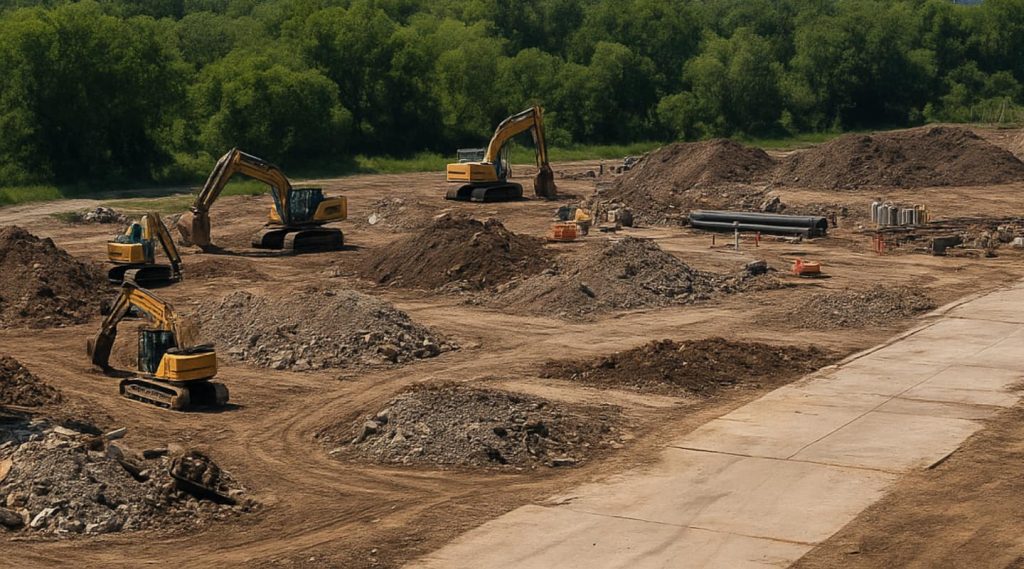
- Brownfields and redevelopment sites
- Strip malls with decades of past tenants
- Properties near rail lines or major roadways
Even seemingly “clean” parcels can have hidden environmental issues from earlier land uses.
NJ-Specific Environmental Risks to Watch For
New Jersey’s environmental challenges often include:
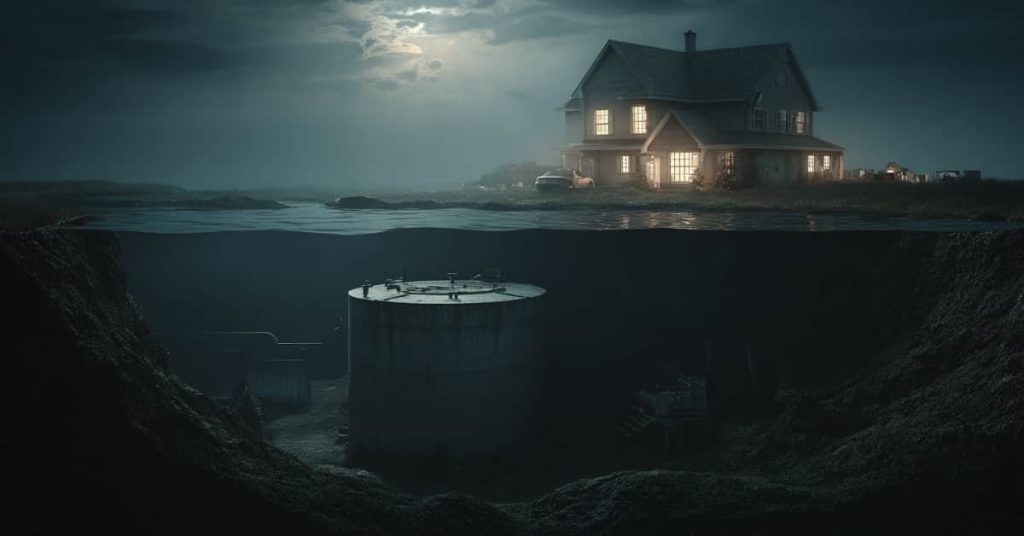
- Underground storage tanks (USTs)
- Historical fill
- Heavy metals (arsenic, lead, chromium)
- Chlorinated solvents from dry cleaners
- Petroleum contamination
- PFAS (“forever chemicals”)
- Asbestos in older buildings
- PCB contamination
- Vapor intrusion risks
Environmental due diligence helps identify these issues early—before they impact closing or redevelopment.
How Environmental Due Diligence Protects Buyers and Sellers
For Buyers
Proper due diligence protects against inheriting costly remediation responsibilities. It also gives leverage for negotiation, price adjustments, or seller-funded cleanup.
For Sellers
Due diligence demonstrates transparency, prevents post-closing disputes, and helps move transactions forward without delays caused by hidden contamination.
For Lenders
Banks and commercial lenders rely on due diligence to reduce financial risk. Many require a Phase I ESA before approving financing.
For Developers
Due diligence supports zoning approvals, redevelopment projects, and brownfield revitalization strategies.
Environmental Due Diligence Timeline in NJ
A typical timeline includes:
- Phase I ESA: 10–15 business days
- Phase II ESA: 2–4 weeks, depending on sampling scope
- LSRP involvement (if required): varies based on contamination extent
Starting early—before the due diligence window closes—is essential to avoid delays.
Why Choose All American Environmental for NJ Environmental Due Diligence
All American Environmental provides the expertise, responsiveness, and accuracy needed for complex NJ real estate transactions. Their team delivers:
- Detailed Phase I & Phase II ESAs
- Accurate investigations and sampling
- NJDEP-compliant reporting
- LSRP coordination
- Fast turnaround times
- Clear communication with attorneys, lenders, and property buyers
- Cost-effective due diligence solutions
The team’s experience with industrial, commercial, and redevelopment properties across New Jersey makes them a trusted choice for environmental compliance and transaction support.
Protect Your Investment with Proper Due Diligence
Environmental due diligence is essential for any NJ commercial real estate transaction, especially in a state known for strict regulations and a long industrial history. A thorough Phase I ESA, Phase II ESA, and—if needed—LSRP-guided remediation help protect your investment, reduce liability, and ensure compliance with New Jersey’s environmental laws.
With All American Environmental by your side, buyers, sellers, lenders, and developers gain peace of mind knowing they have experienced professionals managing the environmental process from start to finish.