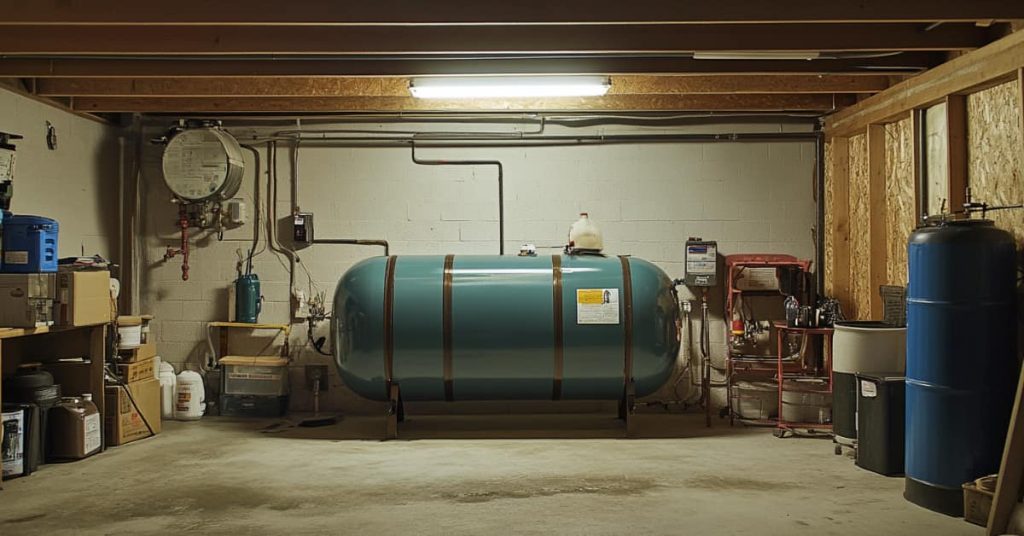
Industrial Tank Cleaning Services & Solutions: Maintaining Operational Efficiency and Safety
Industrial tank cleaning is vital in many sectors, including oil and gas, chemical production, wastewater management, and food processing. Tanks store raw materials, finished products, and hazardous chemicals, making them critical to operational continuity. However, the buildup of sludge, sediment, contaminants, and other residues can compromise the tanks’ efficiency and safety.
Without regular maintenance, industrial tanks may experience reduced capacity, contamination, and increased corrosion or structural damage risk. This is where professional industrial tank cleaning services come into play.
This “Industrial Tank Cleaning Services & Solutions” guide explores the importance of industrial tank cleaning, the types of tanks that require cleaning, standard cleaning methods, challenges faced during the process, and how innovative solutions make industrial tank cleaning more efficient and environmentally friendly.
The Importance of Industrial Tank Cleaning
Whether used in manufacturing, storage, or processing, industrial tanks require regular cleaning to maintain operational efficiency and ensure safety. Over time, tanks can accumulate debris, organic materials, sludge, and chemical residues that may lead to contamination, equipment malfunctions, and safety risks.
Operational Efficiency
Contaminants accumulating in tanks can reduce the available storage capacity, forcing companies to operate at lower efficiency levels. The buildup of residue, such as sediments or sludge, can clog pipes and filtration systems, causing interruptions in production processes and costly downtime. Regular tank cleaning ensures that tanks operate at total capacity and efficiency, helping businesses avoid delays and additional expenses.
Safety and Compliance
Industries such as oil and gas, chemical manufacturing, and food processing are highly regulated. Failure to maintain clean tanks can lead to non-compliance with environmental and safety regulations, resulting in fines, legal issues, and, in extreme cases, accidents. Hazardous materials stored in tanks can pose significant risks to employees and the environment if proper cleaning and maintenance are not performed regularly. Regular tank cleaning is essential to reduce the risks of leaks, contamination, and corrosion that could compromise the tank’s structural integrity.
Product Quality
In sectors like food and beverage processing, pharmaceutical manufacturing, and water treatment, contamination in storage tanks can lead to compromised product quality. Contaminants can mix with stored materials, leading to spoilage, degradation of products, or even toxic reactions. Ensuring that tanks are cleaned and free from contaminants helps maintain product integrity, ensuring consistency and quality in production.
Types of Industrial Tanks That Require Cleaning
Many different types of industrial tanks require regular cleaning to ensure optimal performance and safety. Some of the most common types of tanks that need professional cleaning include:
Oil Storage Tanks
These tanks are prone to sludge buildup, which can impact the efficiency of refinery operations in storing crude oil, refined oil, and other petroleum products.
Chemical Storage Tanks
These tanks store various chemicals, some of which may be hazardous. Buildup from chemical reactions or residue left behind from different chemical batches can create dangerous conditions if not addressed.
Wastewater Treatment Tanks
Sediment and organic matter can accumulate in wastewater tanks, leading to clogged filtration systems and reduced treatment efficiency. Regular cleaning ensures that treatment plants operate effectively.
Food and Beverage Tanks
In food processing, tanks that store liquids, syrups, and ingredients must be cleaned regularly to prevent bacterial growth and contamination, ensuring product safety and hygiene.
Water Storage Tanks
Tanks used for water storage can develop algae, sediment, and biofilm, compromising water quality and posing health risks. Cleaning ensures that water remains safe for consumption and use.

Methods of Industrial Tank Cleaning
Several methods are used to clean industrial tanks, each depending on the tank type, the materials stored, and the extent of contamination. These methods aim to safely remove contaminants without damaging the tank or exposing workers to hazardous conditions.
1. Manual Cleaning: Manual cleaning involves sending personnel into the tank to remove buildup and clean the interior surfaces physically. While this method can be thorough, it is also labor-intensive and exposes workers to potential hazards. Workers must be equipped with personal protective equipment (PPE) and follow strict safety protocols, especially when cleaning tanks that store hazardous chemicals or materials.
2. Hydroblasting: Hydroblasting, or high-pressure water jetting, is a method that uses high-powered water jets to remove sediment, sludge, and debris from the inside of tanks. This method is highly effective in cleaning large tanks, as the water pressure can dislodge even stubborn materials. Hydroblasting is often used in oil and gas tanks, chemical storage tanks, and wastewater treatment tanks. It’s safer than manual cleaning, as it minimizes worker exposure to hazardous substances.
3. Chemical Cleaning: Chemical cleaning may be necessary for tanks that store sensitive or hazardous materials. This method involves using cleaning agents and chemicals to dissolve and remove deposits from the tank’s interior surfaces. Chemical cleaning is often used in industries like food processing, pharmaceuticals, and chemical manufacturing, where strict hygiene standards must be maintained. However, it is essential to ensure that the chemicals used in cleaning do not react with any remaining materials in the tank or cause environmental damage.
4. Robotic Cleaning: Robotic cleaning systems have become increasingly popular in the industrial tank cleaning industry. These systems use remote-controlled robots equipped with cleaning tools, such as rotating brushes or high-pressure water jets, to clean the interior of tanks. Robotic cleaning offers a safer and more efficient alternative to manual cleaning, as it eliminates the need for workers to enter confined spaces, reducing the risk of accidents and exposure to hazardous materials.
Challenges in Industrial Tank Cleaning
Industrial tank cleaning presents several challenges, including:
1. Confined Space Entry: Cleaning large storage tanks often requires workers to enter confined spaces, which poses significant safety risks. Confined spaces often need better ventilated, and workers may be exposed to toxic fumes, hazardous materials, or oxygen-depleted environments. Proper safety protocols, including using PPE, gas detection equipment, and emergency procedures, must be followed to mitigate these risks.
2. Hazardous Materials: Tanks that store hazardous materials, such as chemicals or petroleum products, require specialized cleaning to prevent workers from being exposed to dangerous substances. Handling hazardous materials safely requires careful planning, proper training, and appropriate cleaning techniques to avoid spills or accidents.
3. Environmental Considerations: Tank cleaning can generate waste, including sludge, chemical residues, and contaminated water, which must be disposed of responsibly. Compliance with NJ environmental regulations is essential to avoid fines and ensure that cleaning operations do not harm the environment. Using eco-friendly cleaning agents and ensuring proper waste material disposal is crucial to modern industrial tank cleaning services.
Innovative Solutions in Tank Cleaning
As technology advances, new solutions are emerging that make tank cleaning safer, more efficient, and environmentally friendly. Robotic cleaning systems, for instance, allow for cleaning without requiring workers to enter confined spaces, minimizing risk. In addition, advancements in environmentally friendly cleaning agents help reduce the environmental impact of tank cleaning operations.
Additionally, smart sensors and monitoring systems can now be integrated into tanks to provide real-time data on their condition, helping companies plan maintenance and cleaning schedules more effectively. These technologies help businesses maintain their tanks, reduce downtime, and lower overall costs
The Importance of Professional Tank Cleaning
Industrial tank cleaning is critical for maintaining operational efficiency, ensuring safety, and complying with industry regulations. Whether your facility stores hazardous chemicals, wastewater, or food products, regular cleaning is essential to prevent contamination, maintain product quality, and avoid costly repairs or downtime.
Reliable Industrial Tank Cleaning Services to Maintain Operational Excellence
For industrial tank cleaning services that prioritize safety, efficiency, and environmental responsibility, contact All American Environmental. With expertise in tank cleaning solutions for various industries, All American Environmental can help ensure your tanks are operating at peak performance. Reach out today to schedule a consultation to learn more about our tank cleaning services and solutions and keep your operations running smoothly.