- 08 Aug
in Environmental Consultants & Contractors
Purchasing commercial real estate in New Jersey involves evaluating more than the building, location, zoning, financing, and purchase price. A property’s environmental history can introduce issues that affect negotiations, closing schedules, redevelopment plans, financing, and potential obligations after ownership changes. Conducting environmental due diligence in NJ real estate transactions gives buyers an opportunity to investigate those concerns before the acquisition is completed.
Timing matters because environmental questions identified late in a due diligence period can leave buyers with limited time to obtain records, conduct additional investigation, evaluate potential costs, or negotiate how an issue will be addressed. Beginning commercial real estate environmental due diligence early provides more time to understand the property before contractual deadlines or closing.
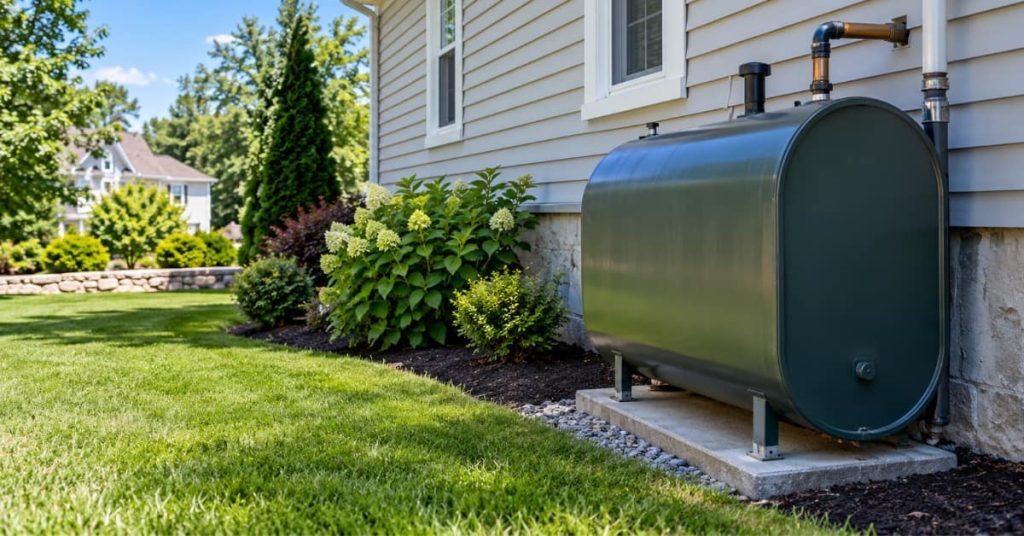
New Jersey’s long industrial and commercial history can add another layer to that review. Former manufacturing operations, automotive businesses, dry cleaners, fuel storage, underground storage tanks, warehouses, industrial facilities, historical fill, and other previous uses may warrant evaluation depending on the individual property.
For buyers who need a broader introduction to the process, All American Environmental’s environmental due diligence guide explains the overall purpose of environmental due diligence, while why environmental due diligence is critical in NJ commercial property sales examines its importance when commercial properties change ownership. This article focuses specifically on how environmental due diligence in NJ real estate transactions fits into the period between evaluating a property and completing the acquisition.
When Should Environmental Due Diligence Begin in a NJ Real Estate Transaction?
Ideally, environmental due diligence begins early enough for the buyer and their professional team to review the findings before important transaction deadlines expire. The exact timing depends on the purchase agreement, financing requirements, property characteristics, available environmental information, and the scope of investigation required.
For many purchasers, the contractual due diligence period provides the opportunity to investigate the physical, financial, legal, and environmental aspects of the property. Environmental due diligence before buying property in NJ should therefore be considered when establishing the transaction timeline rather than treated as a final task immediately before closing.
Starting early does not mean assuming a property is contaminated. It means allowing sufficient time to determine whether environmental conditions could affect the acquisition and, if questions arise, deciding whether they require further evaluation.
Review Available Environmental Information Early
A buyer may receive previous environmental reports, tank records, remediation documents, permits, site plans, or other property information from the seller. Those documents can be useful, but the existence of an older environmental report does not necessarily answer every question relevant to the current transaction.
The buyer and environmental consultant may need to determine what work was previously performed, what areas or conditions it addressed, whether recommendations remain unresolved, and whether subsequent property activities could have changed environmental conditions. This is particularly important when evaluating environmental concerns when buying commercial property in New Jersey, because previous investigation or remediation may have been limited to a specific release or area of concern rather than the entire property.
NJDEP explains that even when a final remediation document has been issued for a particular area of concern, other contamination can sometimes remain outside that completed scope. That distinction makes careful review of existing environmental documentation important rather than assuming an older closure document automatically resolves every potential concern associated with the site.
Coordinate Environmental Work With Transaction Deadlines
One of the practical challenges of environmental due diligence in NJ real estate transactions is fitting environmental work into the larger transaction schedule. Purchase agreements may establish deadlines for inspections, document review, financing, objections, or other due diligence activities. Environmental investigation may also depend on obtaining site access, locating historical information, reviewing regulatory records, or receiving laboratory results if sampling becomes necessary.
If an environmental concern is identified, additional time may be needed to understand its significance before the buyer decides how to proceed. The earlier those issues are identified, the more opportunity the buyer may have to discuss findings with environmental consultants, attorneys, lenders, and other professionals involved in the transaction.
For this reason, buyers asking when to conduct environmental due diligence in a real estate transaction should focus not only on the closing date but also on the earlier contractual deadlines that determine when investigation and decision-making must occur.
What Should Buyers Review Before Ordering Environmental Assessments?
Before environmental work begins, buyers should gather relevant property information that is reasonably available. Previous environmental reports are particularly important because a property may already have undergone assessments, tank investigations, soil or groundwater testing, remediation, or regulatory review. Providing these documents to the environmental professional can help establish what is already known and identify questions that remain unresolved.
Other useful information may include prior property uses, current and former tenants, known underground or aboveground storage tanks, environmental permits, spill or discharge information, remediation records, and documentation associated with prior ownership or redevelopment.
For environmental due diligence for property buyers, surrounding properties can also matter. Environmental releases can affect soil or groundwater beyond the property where they originated, so environmental review should not necessarily be limited to conditions visible within the subject property’s boundaries.
A qualified environmental consultant can evaluate the available information to help determine the appropriate scope for an NJ commercial property environmental assessment and whether additional records or investigation should be considered.
When Does a Phase I ESA Enter the Commercial Property Transaction?
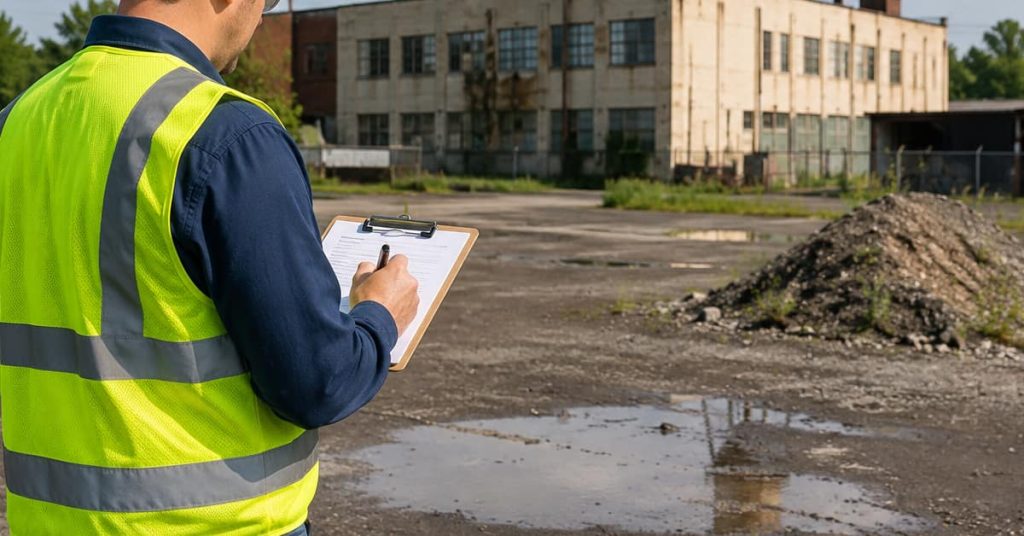
For many transactions, a Phase I Environmental Site Assessment is a central component of commercial real estate environmental due diligence. The Phase I ESA evaluates property history, environmental records, current conditions, adjoining properties, and other information to identify recognized environmental conditions and other findings relevant to the assessment.
The Phase I should not be viewed simply as paperwork required to satisfy a transaction checklist. Its findings can influence what happens next. If the assessment does not identify conditions requiring additional investigation, the environmental portion of the buyer’s due diligence may proceed differently than it would if a significant environmental concern is identified.
When considering a Phase I ESA during commercial property purchase, buyers should also understand that Phase I and Phase II assessments serve different purposes. All American Environmental’s Environmental Site Assessments in NJ: Phase I vs. Phase II Explained provides a detailed comparison of the two assessment types and when additional investigation may be appropriate.
Phase I ESA also has a specific role under federal All Appropriate Inquiries requirements when a purchaser is seeking certain protections from liability under CERCLA. The U.S. Environmental Protection Agency’s All Appropriate Inquiries requirements establish standards and practices for evaluating a property’s environmental conditions and assessing potential liability before acquisition. For that reason, the assessment should be performed in accordance with applicable requirements rather than treated as an informal review of the property.

What Happens If Environmental Due Diligence Identifies a Concern?
Identifying a concern during environmental due diligence in NJ real estate transactions does not automatically mean the buyer should abandon the purchase. Instead, the finding creates a question that needs to be evaluated before the transaction proceeds. The appropriate response depends on the condition identified, existing documentation, property history, intended use, and whether enough information is already available to understand its significance.
Determine Whether More Information Is Needed
Some environmental concerns can be clarified through existing reports, regulatory records, or documentation of previous investigation and remediation. Others may warrant targeted testing to determine whether contamination is present or to better understand a known environmental condition.
If additional investigation is appropriate, its scope should address the identified concern rather than automatically applying the same testing program to every property. A former underground storage tank, historical dry-cleaning operation, or documented industrial release, for example, may each require a different investigative approach.
For environmental due diligence for property buyers, the objective is to obtain enough reliable information to evaluate the condition in relation to the proposed acquisition. Additional investigation may resolve the concern, identify contamination requiring further evaluation, or show that more information is necessary before the buyer can determine how the finding may affect the transaction.
Review Existing Remediation and Regulatory Documentation
A property with an environmental history may already have investigation, remediation, or regulatory records available for review. Buyers should determine what conditions were investigated, what work was completed, whether regulatory documents were issued, and whether continuing obligations or unresolved matters remain relevant to the property.
This review can be particularly important during commercial real estate environmental due diligence in New Jersey. Previous remediation does not necessarily mean every potential environmental condition at the property was evaluated, while a history of contamination does not automatically mean the property remains unsuitable for purchase. The scope and conclusions of existing environmental documents should be considered in relation to the property being acquired and its proposed use.
For buyers evaluating environmental concerns when buying commercial property in New Jersey, understanding what previous environmental work actually addressed can help distinguish resolved conditions from questions that may still require additional evaluation.
How Can Environmental Findings Affect a Commercial Real Estate Purchase?
Environmental findings can influence a commercial property acquisition in several ways. Depending on the condition identified, the buyer may need to consider additional investigation, potential remediation, financing requirements, redevelopment limitations, transaction timing, and the allocation of environmental responsibilities between the parties.
This is where environmental due diligence in NJ real estate transactions becomes part of the broader business decision. The environmental consultant provides information about site conditions, while the buyer and other professionals involved in the transaction determine how those findings affect the proposed acquisition.
Purchase Price and Negotiations
When an environmental investigation identifies a condition that could require additional work or expense, the information may become relevant to negotiations between the buyer and seller. The parties may need to consider anticipated investigation costs, potential remediation, transaction delays, or other property-specific factors when determining how to proceed.
The appropriate response varies considerably from one transaction to another. Environmental findings may lead to additional investigation before closing, changes to transaction terms, allocation of certain responsibilities, or a decision not to proceed. Buyers should work with their legal and real estate advisors when determining how environmental findings should be addressed contractually.
Financing and Lender Requirements
Environmental conditions can also affect commercial real estate financing. A lender may have environmental due diligence requirements based on the property, loan, identified conditions, and its own underwriting standards. If additional environmental information is requested late in the financing process, the resulting investigation can affect the closing schedule.
Completing an NJ commercial property environmental assessment early enough for the findings to be evaluated can help reduce the likelihood that unresolved environmental questions emerge immediately before closing. Buyers using financing should coordinate environmental due diligence with lender requirements rather than assuming that an assessment ordered for one purpose will automatically satisfy every financing requirement.
Redevelopment Plans and Project Costs
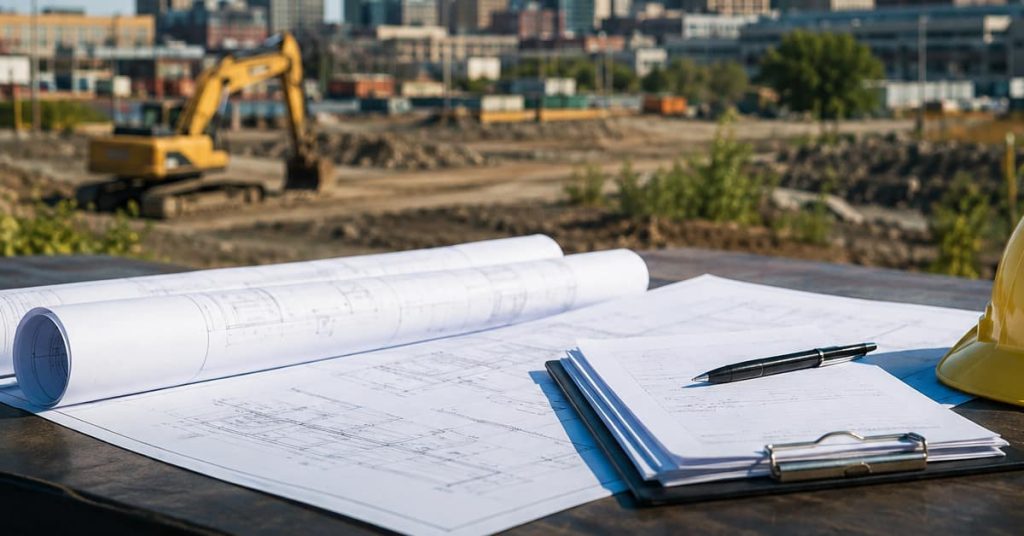
A property’s environmental condition may also affect what happens after the acquisition. Buyers planning demolition, excavation, additions, new construction, or a substantial change in use should consider how known or suspected environmental conditions could interact with the proposed project.
Soil management, additional investigation, remediation, engineering controls, regulatory requirements, and project scheduling can become relevant depending on the property. For a developer, environmental due diligence before buying property in NJ can therefore provide information that affects not only whether to purchase the site but also the feasibility, cost, and timing of the proposed redevelopment.
What Should Buyers Resolve Before Closing?
Before closing, buyers should understand whether the environmental due diligence process has identified conditions that could create obligations, restrictions, additional costs, or unanswered questions after ownership transfers. The goal is not necessarily to acquire property with no environmental history, but to understand the environmental conditions that are known and how they may affect the buyer after closing.
If previous investigation or remediation has occurred, buyers should review available documentation to determine whether continuing requirements are associated with the property. Depending on site-specific circumstances, these may include engineering controls, institutional controls, monitoring, maintenance, reporting, or other obligations that continue after remediation activities have been completed.
Buyers should also understand whether recommended environmental investigation remains outstanding. If additional testing has been recommended but not completed, the purchaser should evaluate that uncertainty before closing rather than assuming the issue can be resolved later. The appropriate response may depend on the transaction terms, financing requirements, proposed property use, and advice from the buyer’s environmental and legal professionals.
For a Phase I ESA during commercial property purchase, the buyer should also confirm that the assessment is appropriate for the transaction and that relevant findings have been considered before acquisition. Any Phase II investigation, previous remediation reports, regulatory documentation, or other environmental records should be evaluated together rather than viewed as isolated documents.
Effective environmental due diligence in NJ real estate transactions should identify the environmental conditions known before acquisition, any obligations that may continue after closing, and significant uncertainties that remain unresolved. That information allows the purchaser to consider environmental factors alongside the legal, financial, and redevelopment considerations involved in the transaction.
Choosing an Environmental Consultant for a New Jersey Real Estate Transaction
The environmental consultant selected for environmental due diligence in NJ real estate transactions should understand commercial property assessments as well as the environmental issues and regulatory framework relevant to New Jersey properties. The consultant’s role is not simply to collect records, but to evaluate available information, identify significant environmental conditions, and clearly communicate findings that may affect the transaction.
Experience With New Jersey Commercial Properties
A consultant experienced with environmental due diligence New Jersey projects should understand how to evaluate property history, regulatory information, previous environmental documentation, and current site conditions within the context of a commercial real estate transaction. New Jersey experience is particularly useful when a property has undergone previous investigation, remediation, regulatory oversight, or substantial changes in use.
Existing environmental documents need to be evaluated for what they actually addressed, whether continuing obligations remain, and whether the available information leaves unresolved questions relevant to the current transaction. This helps prevent historical records or previous remediation documents from being interpreted without considering their original scope and the buyer’s proposed use of the property.
A Scope Appropriate for the Property
Environmental due diligence should reflect the property rather than rely on a one-size-fits-all approach. A small commercial building with limited historical uses presents a different environmental profile from a former manufacturing facility, gas station, automotive property, dry cleaner, redevelopment parcel, or industrial complex.
For environmental due diligence for property buyers, the scope should consider the property’s history, available records, transaction objectives, and applicable assessment requirements. If additional investigation becomes necessary, it should be directed toward the environmental concern being evaluated so the resulting information can help answer the questions relevant to the acquisition.
Reporting That Supports the Transaction
An environmental report should clearly distinguish documented information, professional findings, and recommendations. This is important because an NJ commercial property environmental assessment may ultimately be reviewed by buyers, lenders, attorneys, developers, property owners, and other professionals making different decisions about the same transaction.
Clear reporting helps those parties understand what was identified and whether additional investigation should be considered. Selecting the environmental consultant early also allows assessment activities to be coordinated with property access, financing requirements, and contractual deadlines.
All American Environmental provides environmental assessment and consulting services throughout New Jerseyfor commercial and industrial real estate transactions. The team assists buyers, property owners, developers, and other stakeholders with evaluating environmental conditions, reviewing available information, and determining an appropriate scope of investigation based on the property, transaction, and identified environmental concerns.
Frequently Asked Questions About Environmental Due Diligence in NJ
How Much Does Environmental Due Diligence Cost in New Jersey?
The cost of environmental due diligence in New Jersey varies based on the property size, type, history, assessment scope, and whether additional investigation or testing is required. Commercial and industrial properties with complex environmental histories may require a more extensive evaluation than properties with limited historical uses.
How Long Does Environmental Due Diligence Take for Commercial Real Estate?
The timeframe depends on the type of environmental assessment, property complexity, availability of historical records, site access, and whether laboratory testing or additional investigation is necessary. Buyers should allow sufficient time within the transaction schedule for the environmental work and review of the findings.
Can a Buyer Use the Seller’s Existing Environmental Report?
An existing report can provide useful information, but buyers should not assume it satisfies the requirements of their current transaction. The report’s age, scope, intended user, property changes, lender requirements, and applicable environmental due diligence standards should be evaluated before relying on it.
Is Environmental Due Diligence Required When Buying Commercial Property in NJ?
Environmental due diligence is not automatically required for every commercial property purchase, but it may be required by a lender or pursued by a buyer to evaluate environmental risk and potential liability. Certain federal liability protections also have specific due diligence requirements that must be satisfied.
Can Environmental Due Diligence Find Problems on Neighboring Properties?
Yes. Environmental conditions originating on adjoining or nearby properties can be relevant when evaluating a commercial property. Depending on site-specific conditions, contaminants may migrate through soil, groundwater, or vapor and potentially affect properties beyond the original source.
Environmental Due Diligence for New Jersey Commercial Real Estate
Buying or redeveloping commercial property involves significant financial decisions, and environmental conditions can affect a transaction long after closing. Completing environmental due diligence in NJ real estate transactions before acquisition can help buyers identify potential concerns, evaluate available environmental information, and determine whether additional investigation should be considered.
All American Environmental provides commercial real estate environmental due diligence, Phase I Environmental Site Assessments, environmental investigations, and related consulting services throughout New Jersey. The team works with buyers, property owners, developers, and other stakeholders to evaluate environmental conditions based on the property and transaction.
Planning to purchase or redevelop commercial property in New Jersey? Contact All American Environmental today to discuss your environmental due diligence needs before moving forward with the transaction.