Environmental concerns are not always visible when evaluating residential, commercial, industrial, or redevelopment properties. Many environmental conditions develop gradually over time and may remain undetected until renovation, ownership transfer, construction planning, or environmental testing occurs.
Across New Jersey, historical land use, aging infrastructure, prior industrial activity, underground systems, and changing environmental regulations continue to influence how environmental conditions are identified and addressed.
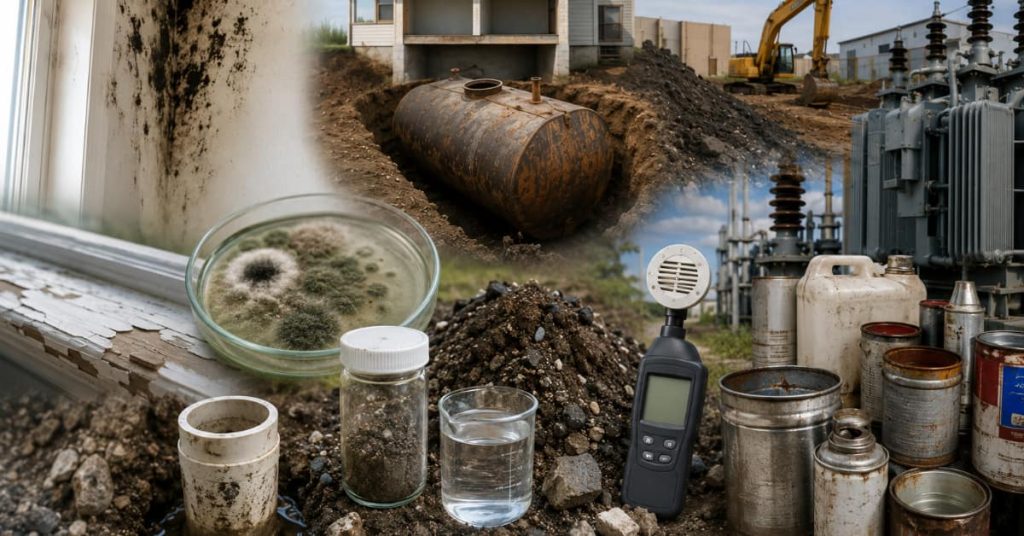
Understanding common environmental contaminants found in NJ properties may help property owners, buyers, developers, and businesses better evaluate risk, support due diligence efforts, and make more informed decisions before moving forward with transactions or redevelopment.
At All American Environmental, we help property owners throughout New Jersey evaluate environmental conditions through assessment, testing, investigation, and environmental consulting services.
Why Environmental Contaminants Are Commonly Found in New Jersey
New Jersey has a long history of industrial growth, manufacturing, transportation development, commercial expansion, and residential redevelopment.
While many sites remain safe and usable, previous activities sometimes leave behind environmental concerns that may require evaluation.
Factors that often contribute include:
• Historic industrial operations
• Older residential construction methods
• Underground storage systems
• Commercial redevelopment activity
• Aging utility infrastructure
• Historical fill materials
• Legacy manufacturing practices
• Water intrusion and indoor environmental conditions
Environmental concerns may affect both older and newer properties, depending on location, prior use, and site conditions.
Soil Contamination Can Remain Long After Previous Property Use
Soil contamination is one of the most frequently investigated environmental conditions in New Jersey.
Many property owners assume contamination is only associated with large industrial facilities, but environmental concerns may also originate from smaller commercial operations, fuel storage, maintenance activities, agricultural practices, or previous redevelopment.
Potential sources may include:
• Petroleum releases
• Historic industrial activity
• Solvents and degreasers
• Heavy metals
• Construction fill materials
• Improper waste handling
• Chemical storage areas
Environmental evaluations often determine whether contaminants remain isolated or require additional investigation.
Petroleum Contamination From Underground Storage Tanks
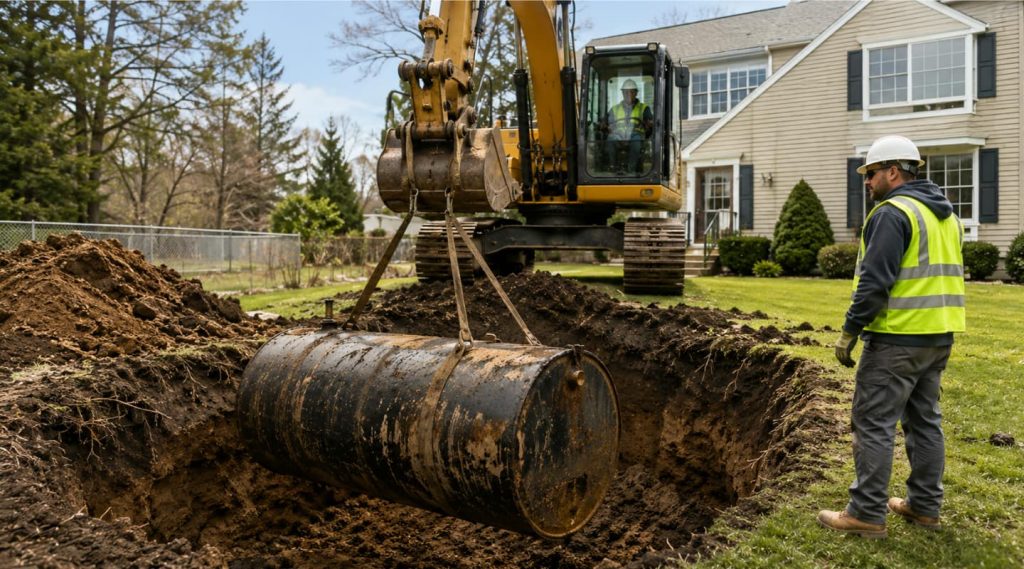
Underground storage tanks (USTs) continue to be a common environmental concern throughout New Jersey.
Older properties may contain active, abandoned, undocumented, or previously removed tanks.
Potential environmental concerns may involve:
• Heating oil releases
• Gasoline contamination
• Diesel fuel impacts
• Groundwater migration
• Vapor intrusion concerns
• Soil impacts near former tank locations
Signs are not always visible at the surface, which is why environmental due diligence may become important during property transactions.
Vapor Intrusion May Affect Indoor Air Quality
Vapor intrusion occurs when chemicals beneath a structure migrate upward and enter indoor spaces.
This environmental issue receives increasing attention across residential and commercial properties.
Potential contributing sources include:
• Petroleum compounds
• Solvents
• Historic dry-cleaning operations
• Industrial facilities
• Contaminated groundwater
• Adjacent property conditions
Indoor environmental conditions often require specialized investigation methods to determine whether migration pathways exist.
Heavy Metals May Be Present in Older Properties
Certain metals may remain in soil, dust, building materials, or environmental media long after original use.
Examples commonly evaluated include:
• Lead
• Arsenic
• Mercury
• Chromium
• Cadmium
Older homes, industrial locations, redevelopment sites, and urban environments may require evaluation when redevelopment or excavation is planned.
Mold and Moisture Conditions Can Create Indoor Environmental Concerns
Not all environmental contaminants originate underground.
Indoor environmental conditions frequently involve moisture intrusion and microbial growth.
Conditions that may contribute include:
• Roof leaks
• Flooding
• HVAC issues
• Plumbing failures
• Condensation
• Elevated humidity
Environmental assessments may help identify moisture sources and evaluate affected areas before conditions worsen.

Asbestos Remains a Consideration in Older Structures
Many older buildings in New Jersey were constructed before modern building standards limited asbestos-containing materials.
Environmental concerns may arise during:
• Renovation projects
• Demolition work
• Facility upgrades
• Property redevelopment
• Interior remodeling
Materials may include insulation, flooring products, roofing materials, ceiling systems, and pipe coverings.
Evaluation before disturbance may help reduce unexpected project delays.
PCB and Industrial Legacy Contamination
Certain commercial and industrial properties may involve evaluation for legacy contaminants associated with older manufacturing and electrical systems.
Potential sources include:
• Transformers
• Hydraulic equipment
• Industrial facilities
• Historical fill areas
• Building materials
Environmental due diligence may help determine whether historical site activities create current environmental concerns.
Groundwater Contamination Concerns Across Redevelopment Projects
Groundwater conditions are often evaluated when sites involve redevelopment, financing, environmental review, or property transfers.
Potential influences include:
• Historic spills
• Off-site migration
• Industrial releases
• Utility corridors
• Land use history
Environmental investigations may evaluate groundwater conditions together with soil and vapor pathways.
Environmental Due Diligence Helps Reduce Unexpected Risk
Environmental concerns are not always obvious during a standard property inspection.
Environmental due diligence may provide additional insight before:
• Buying commercial property
• Purchasing industrial facilities
• Redeveloping land
• Renovating older buildings
• Selling property
• Expanding operations
Assessments are designed to identify conditions early so property owners can make more informed decisions. Explore more with the NJDEP Site Remediation Program.
How Environmental Professionals Evaluate Potential Contamination
Environmental investigations vary depending on property conditions and project goals.
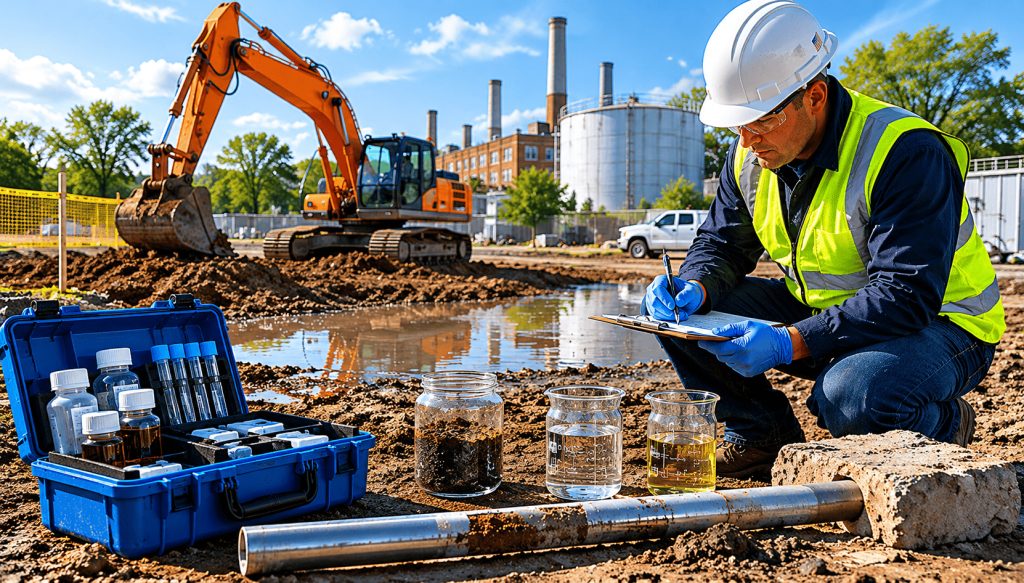
Evaluations may involve:
• Site history review
• Environmental assessments
• Soil sampling
• Groundwater testing
• Indoor air evaluation
• Moisture assessment
• Regulatory review
• Risk evaluation
Each property requires a different approach based on historical and current conditions.
Frequently Asked Questions about Contaminants Found in NJ
What is the most common environmental contamination found in New Jersey properties?
Environmental conditions vary by property type, but common concerns may include petroleum contamination, vapor intrusion, soil impacts, moisture-related issues, and legacy industrial conditions.
Can environmental contamination affect residential properties?
Yes. Environmental concerns may occur in residential settings due to previous land use, underground storage tanks, building materials, or indoor environmental conditions.
Does every older property have environmental contamination?
No. Property age alone does not indicate contamination. Environmental assessments evaluate actual site conditions rather than assumptions.
When should environmental testing be considered?
Testing may be considered before redevelopment, property acquisition, construction, environmental due diligence, or when environmental concerns are identified.
Are environmental concerns only found at industrial sites?
No. Residential, commercial, mixed-use, and redevelopment properties may all involve environmental evaluation, depending on historical and current site conditions
Environmental Consulting Services Across New Jersey
Environmental conditions are not always visible, but understanding common environmental contaminants found in NJ properties may support better planning, improved due diligence, and more informed property decisions.
Whether concerns about contaminants found in NJ involve historical site use, redevelopment planning, indoor environmental conditions, or environmental testing, early evaluation may help reduce uncertainty and improve project planning.
As an LSRP environmental consulting firm, All American Environmental provides environmental consulting and assessment services throughout New Jersey for residential, commercial, and redevelopment properties.
Contact All American Environmental today.