
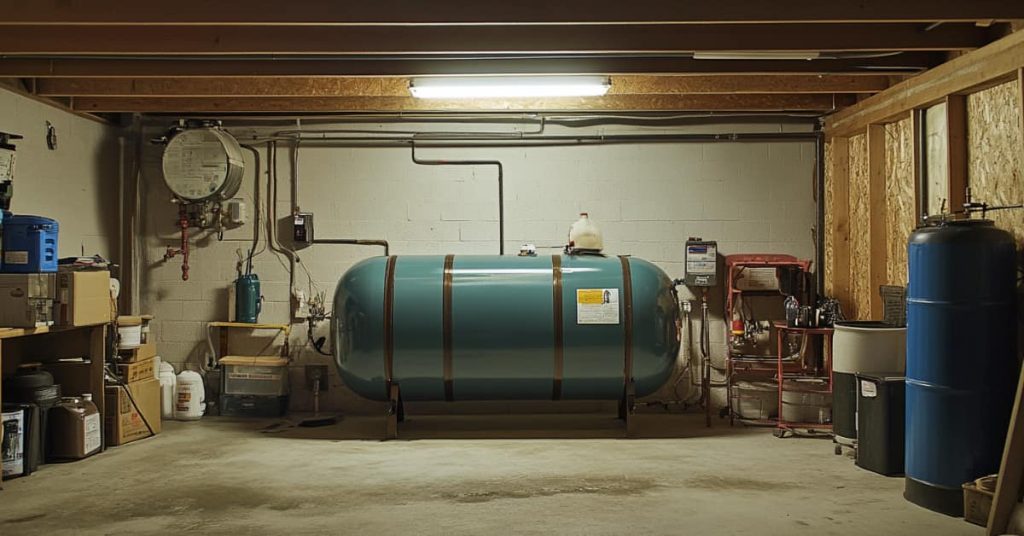
Why You Should Never Let Your Heating Oil Tank Get Too Low
Home heating oil tanks are crucial to keeping homes warm and comfortable during the colder months. However, many homeowners may need to realize that allowing a heating oil tank to run low or even empty can lead to various problems. These issues can range from decreased energy efficiency to significant tank and heating system damage, resulting in costly repairs or replacements.
In this “8 Hidden Dangers of Letting Your Heating Oil Tank Run Low” guide, we’ll explore the critical dangers of letting your heating oil tank run low and why keeping the tank at a sufficient level throughout the year is essential.
Sediment Buildup Can Clog Filters and Fuel Lines
A common issue when a heating oil tank runs low is sediment buildup. Over time, particles like dirt, rust, and other debris naturally settle at the bottom of the tank. While these sediments typically remain harmless when undisturbed at the tank’s base, problems can occur as oil levels drop.
However, when the oil level gets too low, the furnace will start drawing oil from the bottom, along with all the accumulated sediment. This can clog fuel lines and filters, leading to blockages that may cause the heating system to malfunction or break down entirely.
Blocked fuel lines and filters decrease the heating system’s efficiency, making it work harder and use more energy.
In the worst-case scenario, blocked lines can prevent oil from reaching the burner, causing the furnace to shut down. This can leave homeowners without heat during the coldest months, potentially leading to frozen pipes and other damage to the home.
Air in the System Causes Heating Issues
Another systemic problem that can arise from allowing the heating oil tank to get too low is the introduction of air into the system. When oil levels are low, the furnace may begin to draw in air along with the oil, causing the heating system to malfunction. This can result in inconsistent heating, frequent cycling on and off, and even igniting failure.
Air in the system can also damage the pump, causing it to overheat or wear out prematurely. This is particularly concerning since replacing or repairing the pump can be expensive and time-consuming. Additionally, once air gets into the lines, bleeding the system of air can be a complex and labor-intensive task, often requiring the expertise of a professional.
Increased Wear and Tear on Your Heating System
A heating system forced to run on low or insufficient oil can experience increased wear and tear. As the system struggles to function without a steady, clean supply of oil, it places extra strain on critical components such as the burner, pump, and motor. Over time, this can lead to more frequent breakdowns and a shorter lifespan for the entire system.
When the heating system runs on low oil, the furnace has to work harder to generate the same amount of heat, which increases energy consumption and raises utility bills. Regular refills help prevent these added costs and prolong the life of your heating equipment.
Potential for Corrosion and Tank Damage
Frequently overlooking the oil levels in the tank risks internal corrosion. When oil levels fall too low, condensation can develop inside the tank, particularly in cold weather. This moisture combines with the sulfur in the oil, creating sulfuric acid, which can gradually erode the tank from the inside. Over time, this corrosion weakens the tank’s structure, potentially leading to leaks and even tank failure.
Leaking heating oil poses a serious environmental hazard, as it can contaminate soil and groundwater surrounding the tank. Cleanup of an oil spill is costly and time-consuming, and depending on the extent of the contamination, homeowners may face legal liabilities and fines. Therefore, avoiding low oil levels and keeping the tank well-maintained is critical for preventing tank corrosion and leaks.

Higher Risk of Condensation in the Tank
As previously mentioned, when the oil level in your tank gets too low, condensation can form inside the tank. This is especially prevalent in uninsulated outdoor tanks where the temperature fluctuations between day and night are more extreme. Condensation introduces water into the tank, which is heavier than oil and sinks to the bottom.
Water in the tank can lead to several issues. It promotes rust, corrosion, and bacterial growth, which can further accelerate the degradation of the tank’s interior. Additionally, water can freeze in the tank or fuel lines during cold weather, blocking the oil flow and causing the heating system to shut down.
In addition to potential damage to the tank, water can reduce the heating system’s effectiveness. Water doesn’t burn like oil, reducing the amount of usable fuel and making it harder for the furnace to produce heat, causing inconsistent or insufficient heating throughout the home.
Unexpected Cold Spells Can Leave You Without Heat
Running your heating oil tank too low in winter can leave you vulnerable to unexpected cold snaps. If you’re not monitoring the system oil levels closely and ensuring they do not drop suddenly, you may find yourself without heat when needed most. While it might seem simple enough to call for an emergency oil delivery, the high demand during cold spells often results in delays, leaving homeowners in freezing conditions for hours or even days.
This risk is exceptionally high in rural areas, where oil delivery services may take longer to respond. Keeping your oil tank full helps prevent this issue, ensuring your home stays warm and safe throughout the winter.
Emergency Refills Are More Expensive
As a heating oil tank runs dry, calling for an emergency refill will be necessary, which is generally more expensive than a standard delivery. During periods of high demand, many oil delivery companies will charge extra for same-day or after-hours service, so the costs can quickly add up. By keeping your oil tank at the right level, you can schedule refills in advance, thus avoiding the higher costs associated with emergency deliveries.
Additionally, running out of oil can require restarting the heating system, which may involve additional labor and service fees from a professional technician. These expenses can be easily avoided by ensuring your tank never gets too low.
Safety Risks from Malfunctioning Systems
A malfunctioning heating system caused by low oil levels can pose a safety risk to your home and family. When the furnace struggles to operate efficiently due to sediment blockages, air in the lines, or other issues related to low oil levels, it may fail to provide adequate heat and cause dangerous situations such as carbon monoxide leaks. Regular maintenance, including sufficiently filling the oil tank, prevents these potential hazards.
Protect Your Heating System and Your Home: Avoid Letting Your Heating Oil Tank Run Low
This guide has discussed the dangers of letting your heating oil tank run low, leading to numerous problems that can enormously affect the heating system and the tank itself. From sediment buildup and air in the system to increased wear and tear, corrosion, and safety risks, running low on heating oil poses a severe threat to your home’s comfort and safety. Keeping the tank at a sufficient level not only ensures the efficiency and longevity of your heating system but also prevents costly repairs and emergency services.
If you’re in New Jersey and need assistance with oil tank cleaning, removal, installation, or sweeps, contact All American Environmental. Our company serves the New Jersey counties of Bergen, Morris, Hudson, Union, Essex, Mercer, Middlesex, Sussex, Monmouth, Somerset, Hunterdon, Passaic, and Warren.
Don’t wait until your oil tank runs low—get the expert services you need to protect your home and system.

